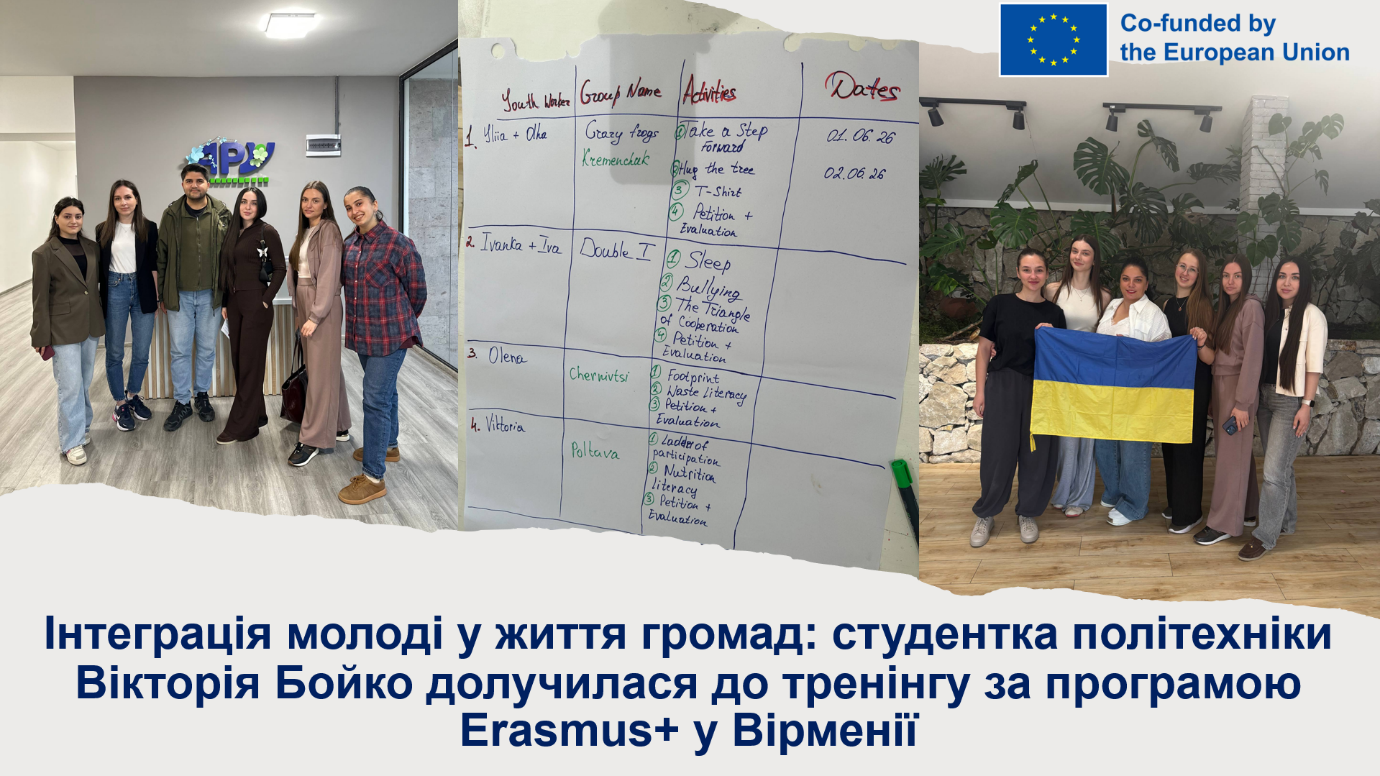
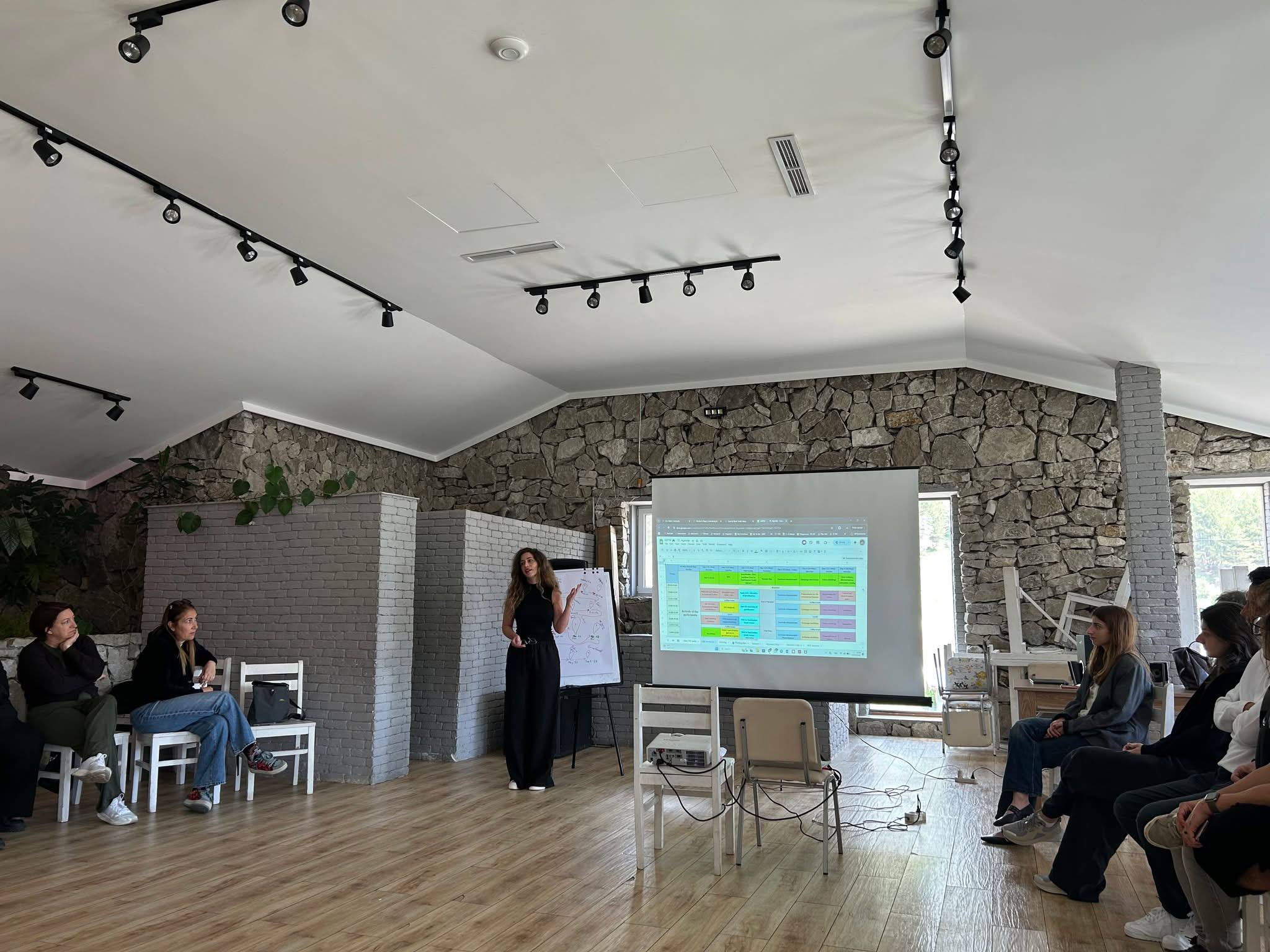
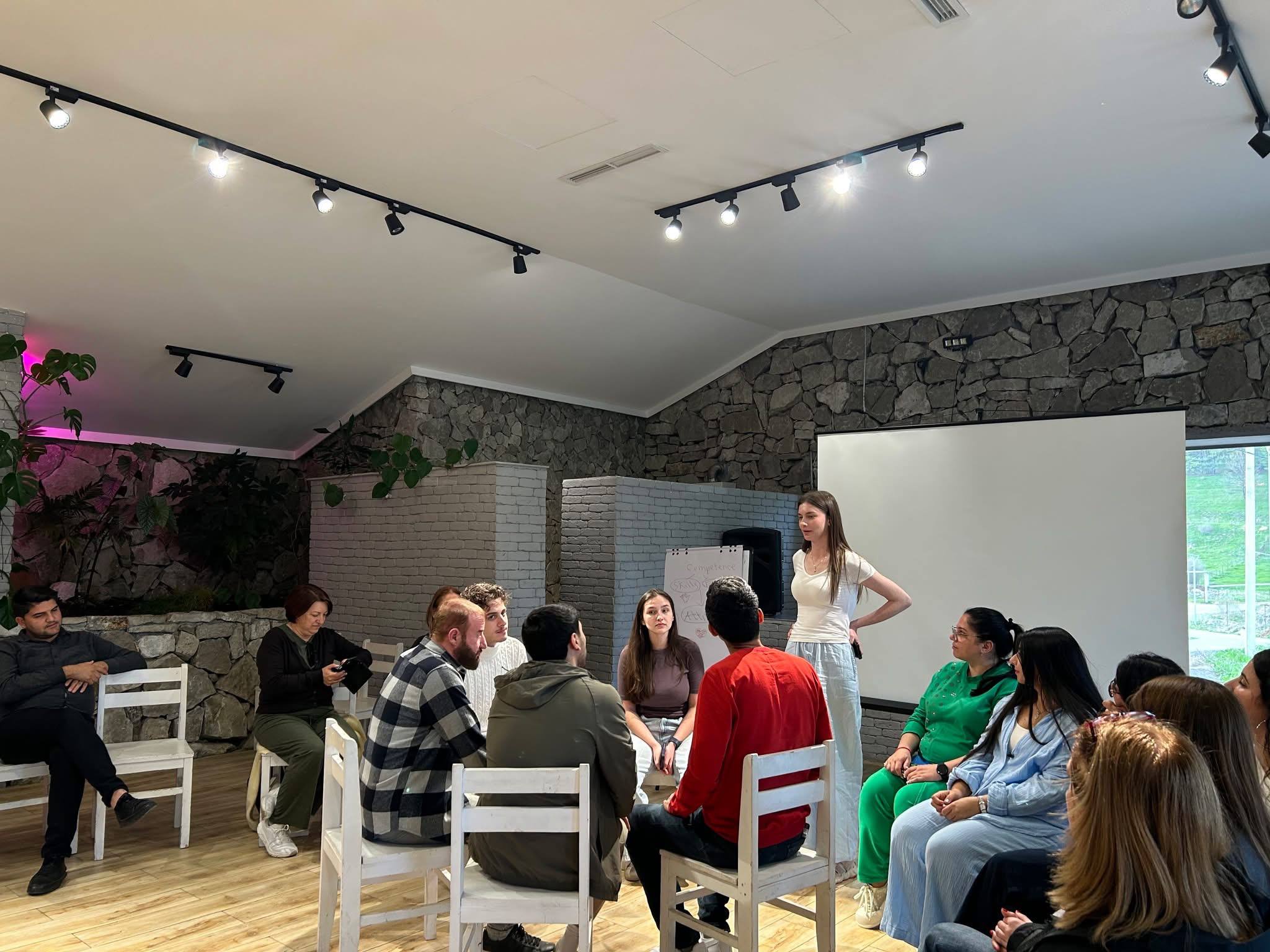
From May 11 to 18, 2026, the international training course under the Erasmus+ program “Gamify Rural Youth Work” took place in Tsakhkadzor, Armenia. The event brought together youth workers, trainers, educators, and representatives of youth organisations from various countries, including a representative of the National University “Yuri Kondratyuk Poltava Polytechnic”, Viktoriia Boiko, a student of group 401-FF majoring in 035 “Philology”.
This training is part of a large-scale, two-year international initiative designed to develop youth work in Eastern Partnership countries. The project helps engage youth from rural areas and small towns in active social life through non-formal education and gamification tools. The initiative extends beyond individual events, establishing a practical infrastructure for specialists: a web platform featuring training curricula, gamification tools, and an open online course for youth workers. Such an adaptive and scalable solution is particularly valuable for providing systematic support to youth within local communities.
The web platform serves as a unified hub that integrates educational modules, practical exercises, video instructions, implementation case studies, and interactive elements for self-education. It enables the integration of learning, tool piloting, and result scaling within a single system. Because youth work in rural communities often lacks resources and effective engagement methods, gamification emerges as a promising solution. It enhances youth motivation, renders the educational process interactive, and encourages young people to participate more actively in local initiatives.
The focus on Eastern Partnership countries is driven by shared challenges in youth policy, access to quality education, and the development of local initiatives. In this context, it is critical to develop adaptive tools that can be easily customised to the socio-cultural and linguistic characteristics of different countries, as well as the experience level of local organisations.
Since traditional educational formats increasingly struggle to retain young people’s attention, gamification has become the central theme of the training. This did not involve simple entertainment, but rather the integration of game mechanics into non-game environments: education, volunteering, and civic engagement. Participants explored how to make the educational process more engaging through a system of challenges, levels, team collaboration, and progress tracking. Special attention was paid to distinguishing among the concepts of “game”, “gamification”, and “game-based learning”, and to analysing practical case studies of the implementation of these approaches in schools and youth centres across different countries.
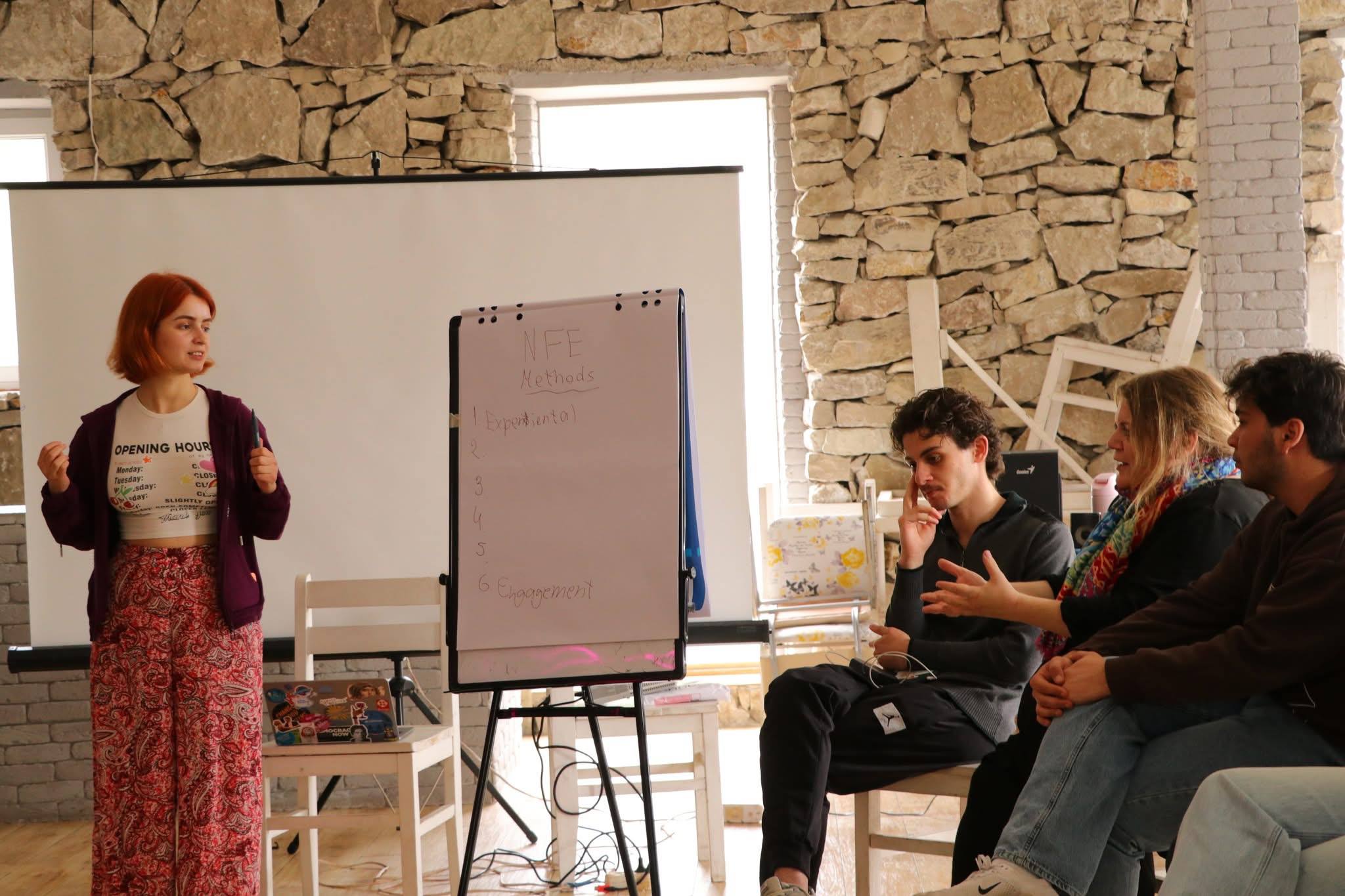
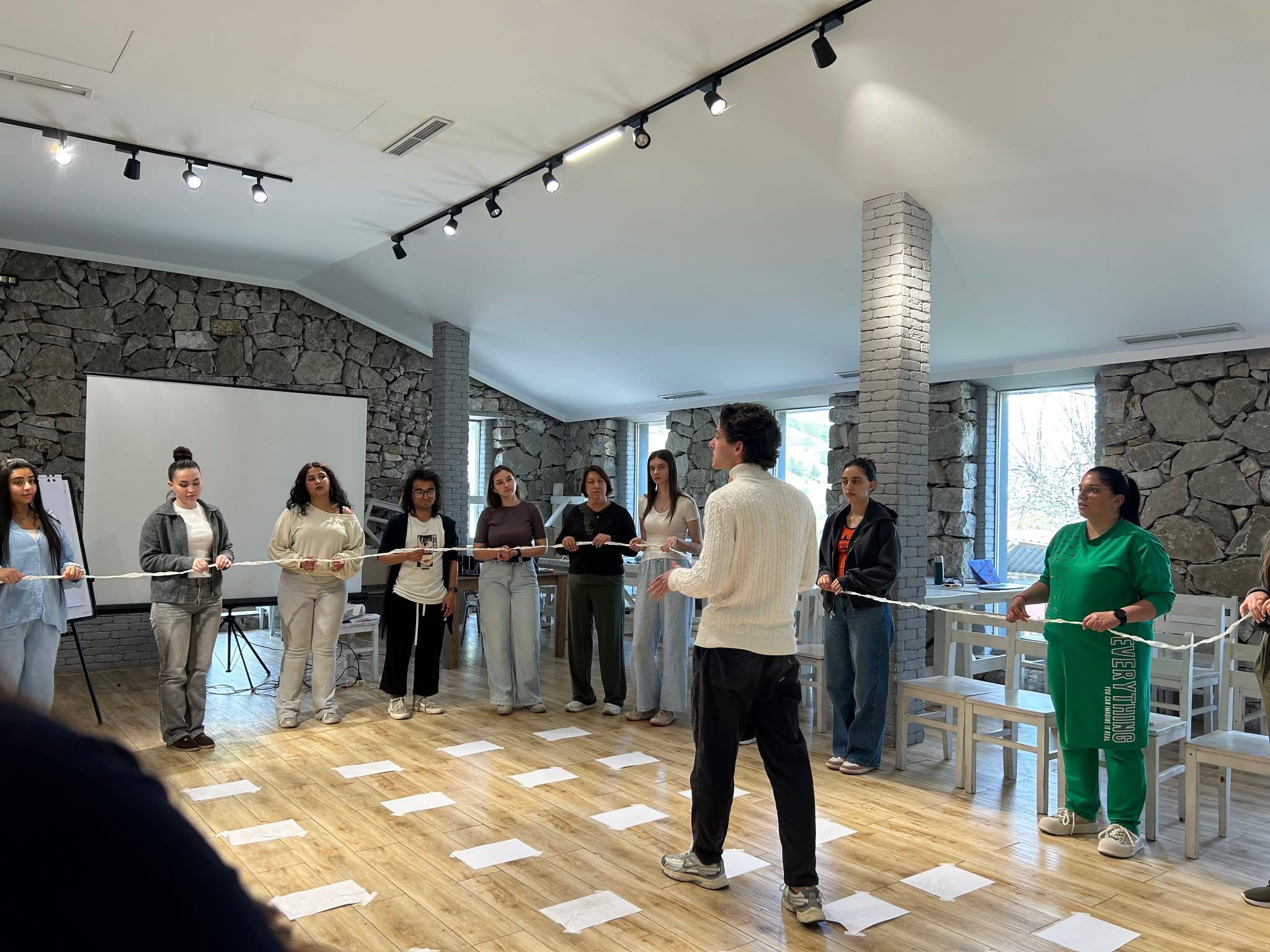
“The training was conducted according to the principles of non-formal education (NFE), where learning is based on practice, interaction, reflection, and the active participation of each individual”, – Viktoriia shares her impressions.
“One of the important parts of the program was visits to the Tsakhkadzor Youth Centre, where we became acquainted with local youth work practices in Armenia. After visiting the youth centre, we held debriefings and discussions about how the observed ideas could be adapted to our own communities. A significant emphasis was placed on small towns, which often lack modern educational opportunities and youth infrastructure.
A separate module of the program was dedicated to curriculum development. We designed our own educational curricula and gamified activities. Working in international teams, participants developed workshops, interactive exercises, and educational formats that they can subsequently utilise in their organisations. At the end of this stage, the teams presented their developments, received feedback, and discussed options for their further implementation.
An important component of the training was the workshops conducted by us, the participants, ourselves. This provided an opportunity to exchange practical experience, present our own methods for working with youth, and draw inspiration from colleagues’ ideas from other countries. We also worked on creating video materials and educational content that will eventually become part of an open online course for youth workers.
At the conclusion of the training, participants focused on developing follow-up plans. Each national team prepared a strategy to implement gamification methods within their organisations and communities through local workshops, training sessions, and educational programs. Consequently, the project was not limited to the event’s timeframe but also launched new local initiatives in various countries.
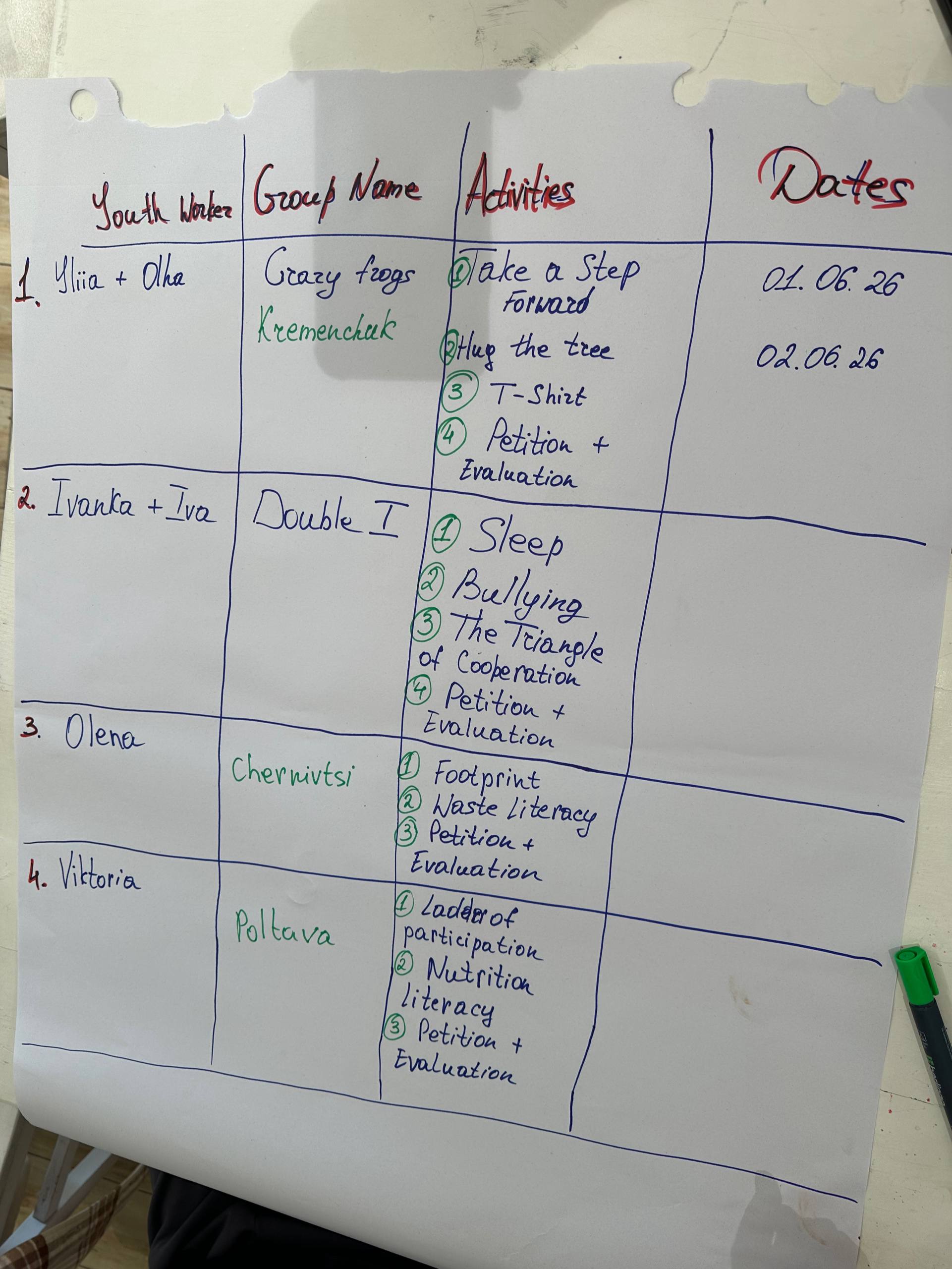
Following the completion of the training course, we, as youth workers, will implement local follow-up activities in our communities for 2 to 3 months. As part of this phase, we will conduct at least 12 weekly meetings, each lasting 2 hours, using non-formal education methods and gamification tools developed during the project. The topics of our meetings will address youth participation, climate change, and local issues determined in accordance with the needs of each specific community.
In total, at least 225 young people will be involved in the follow-up activities, representing 45 participants from each partner country. In each country, we will divide the youth into three groups of 15 participants, each guided by two youth workers. This approach will allow us not only to test new methodologies in practice but also to adapt them to the real needs of our communities.
A distinct motivational component of the project will be the evaluation system of our performance during the pilot period. Out of six youth workers from each country, the two participants who achieve the highest results in utilising the gamification tool will have the opportunity to join the next stage of the project – an international youth exchange in Bakuriani, Georgia,” – says Viktoriia Boiko.
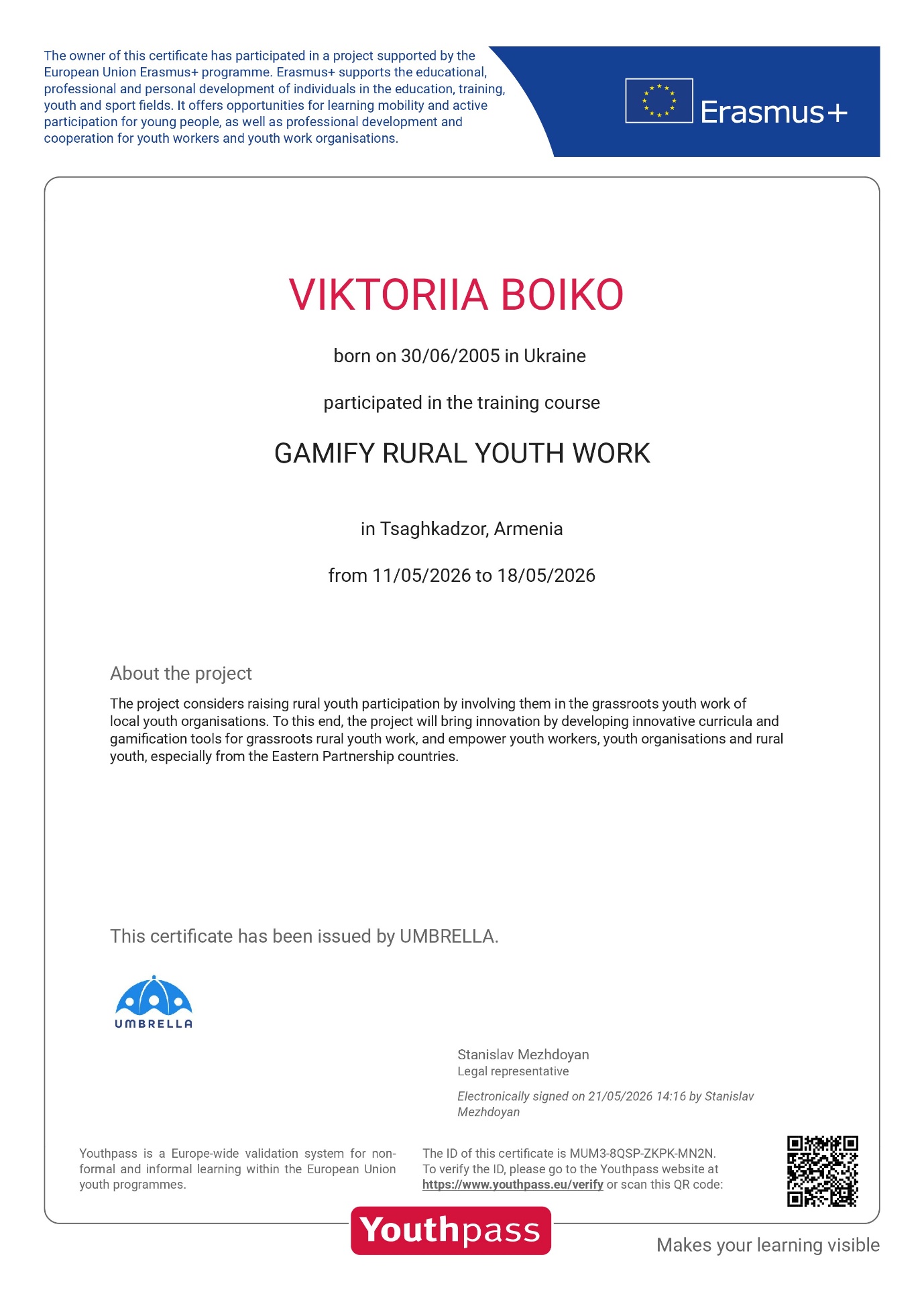
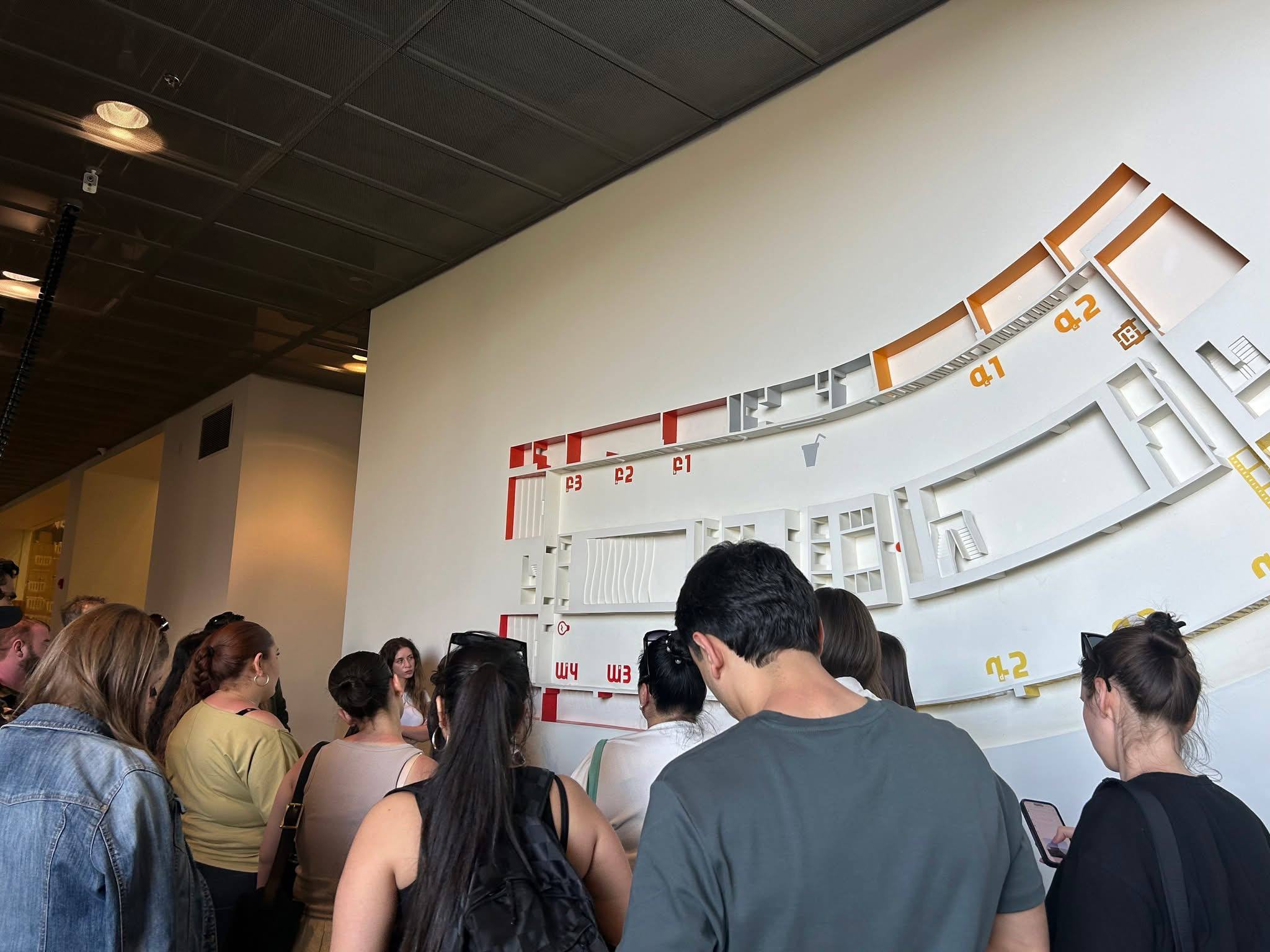
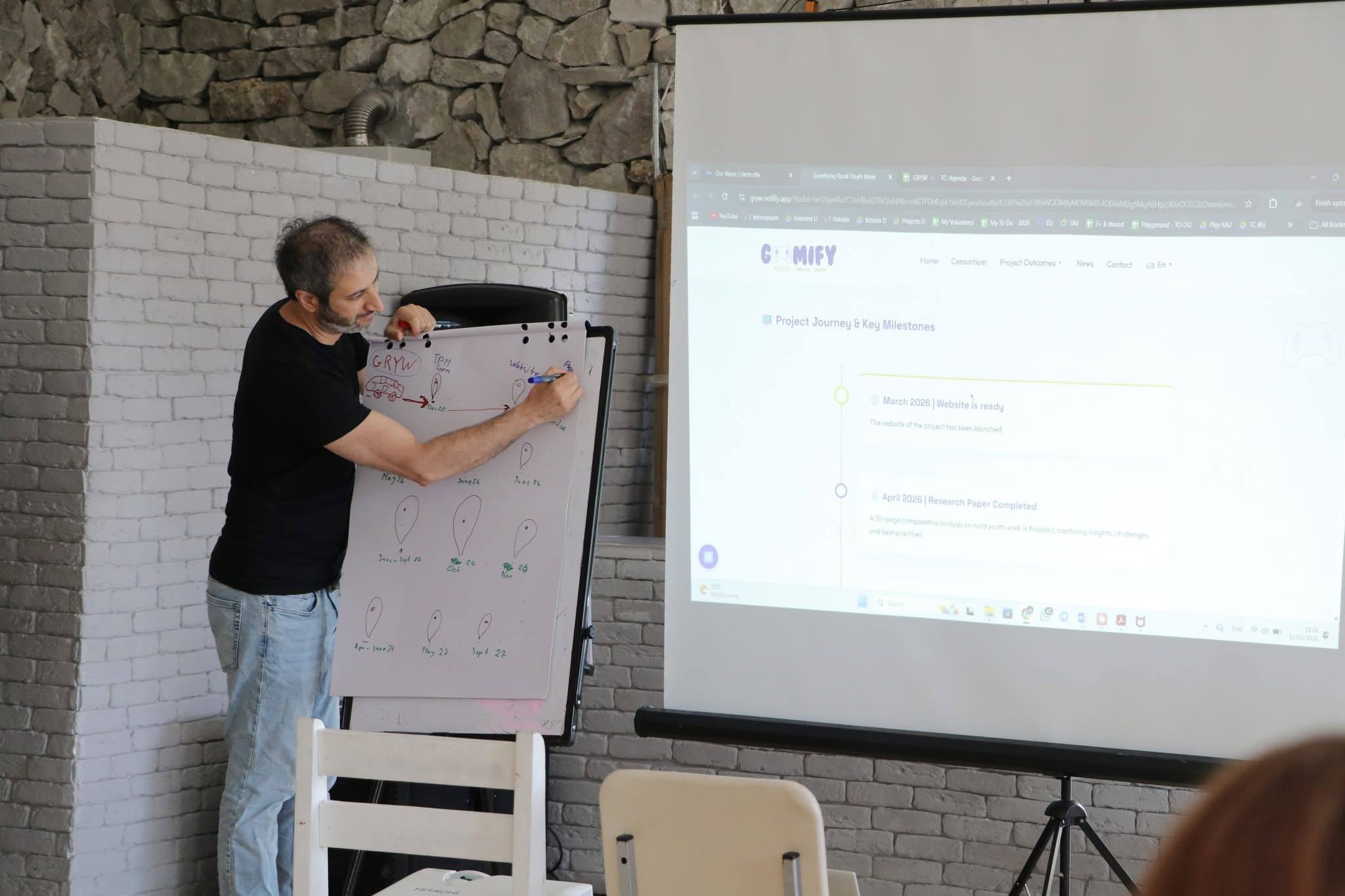
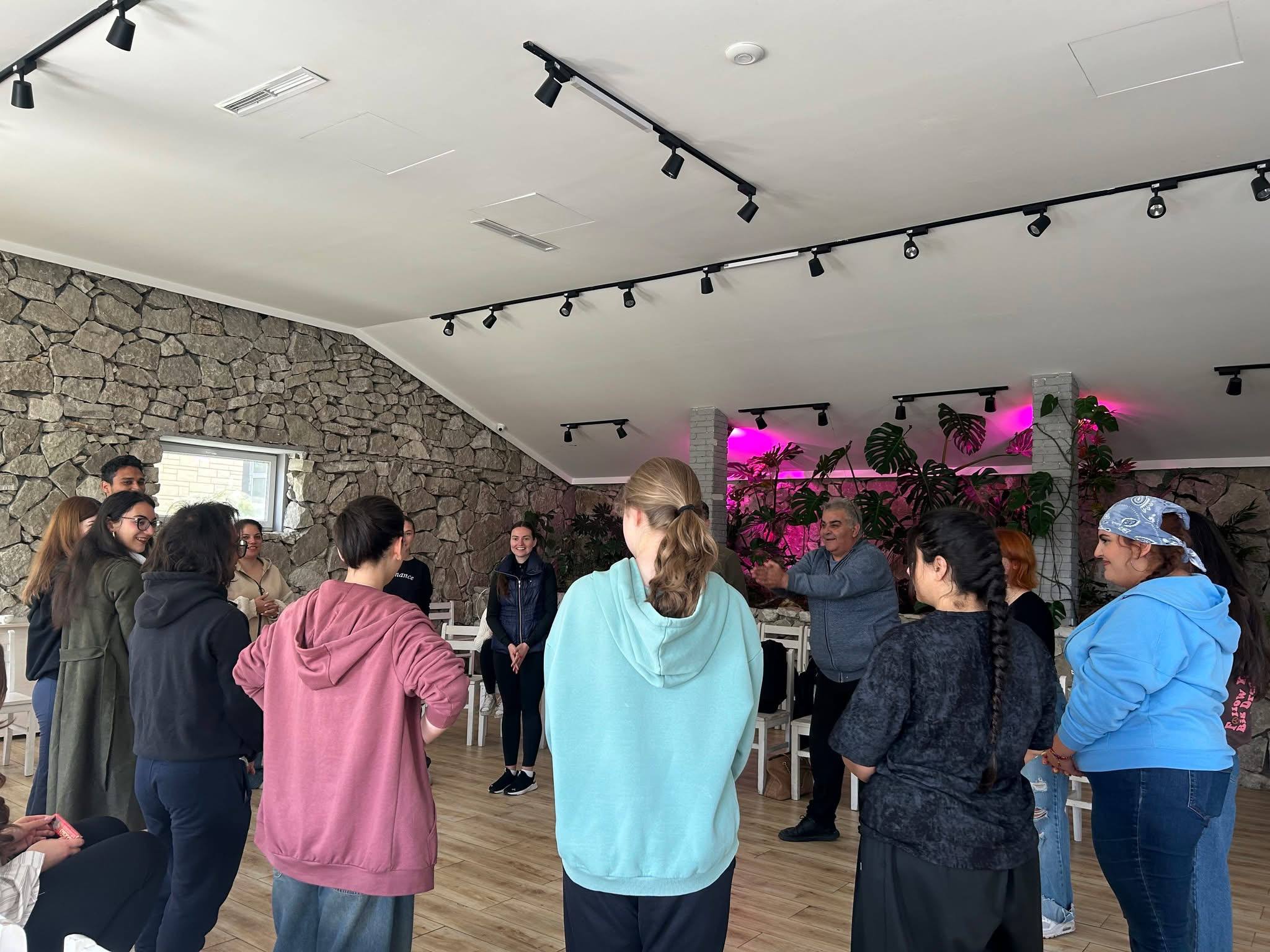
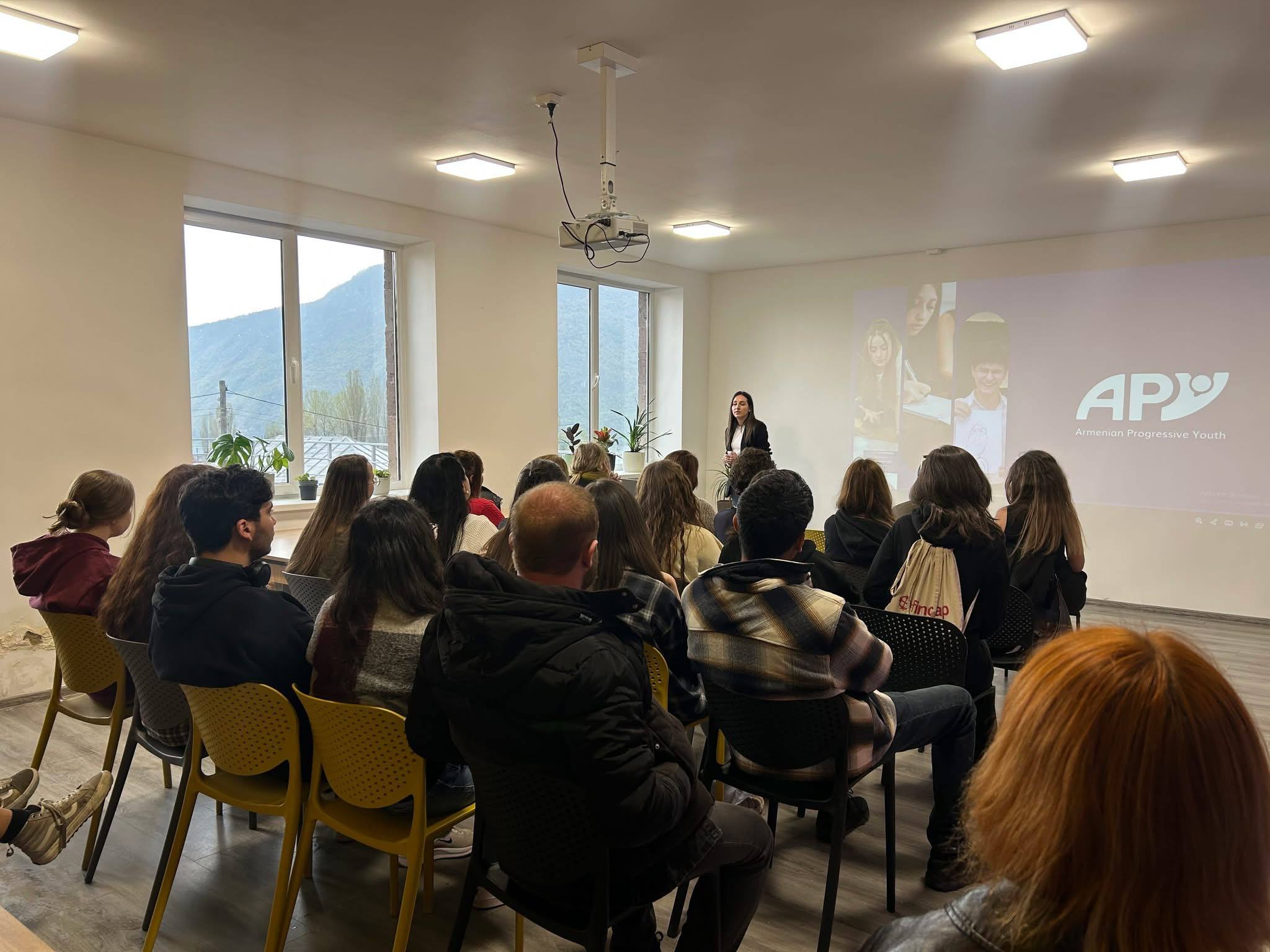
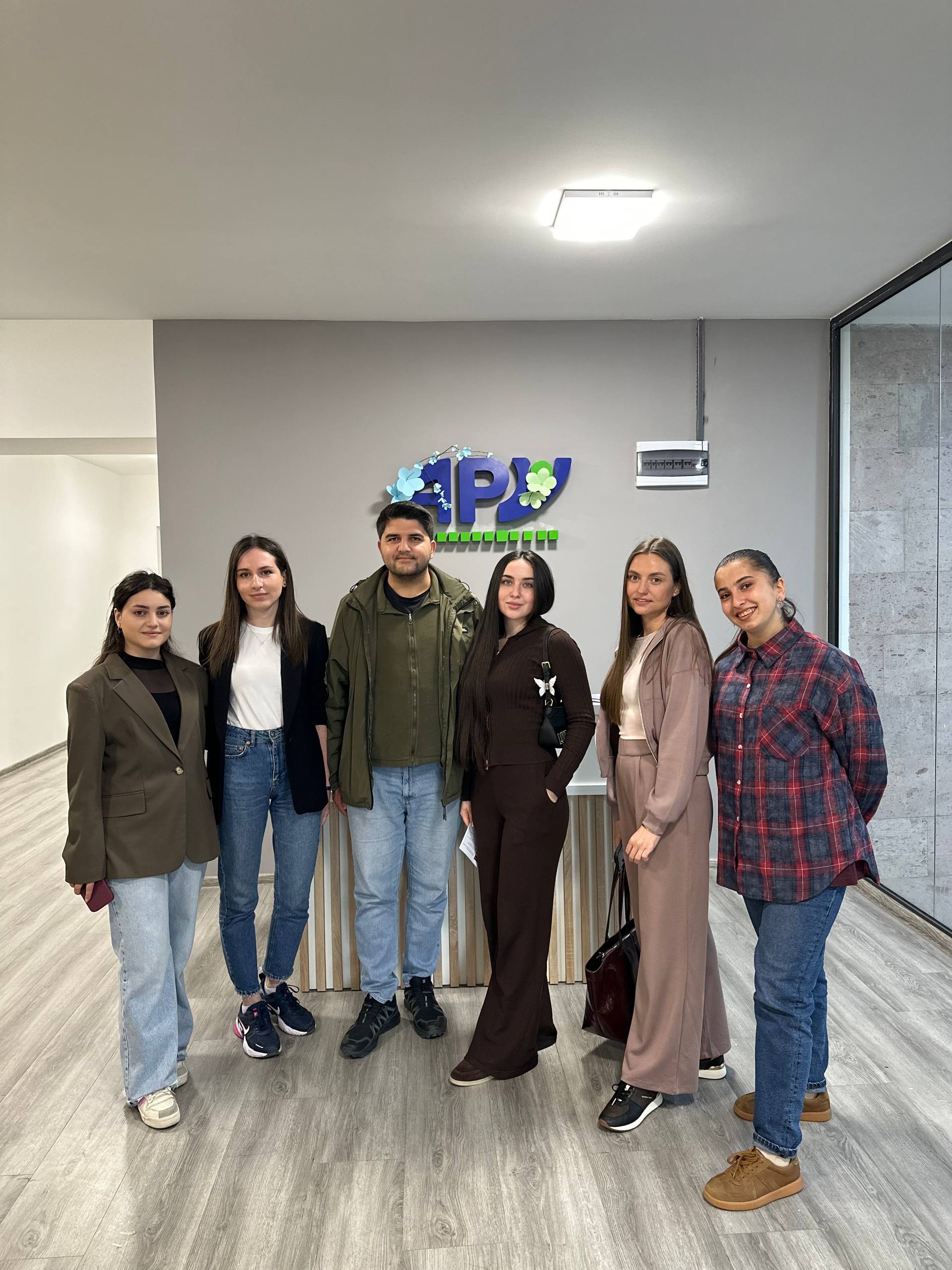
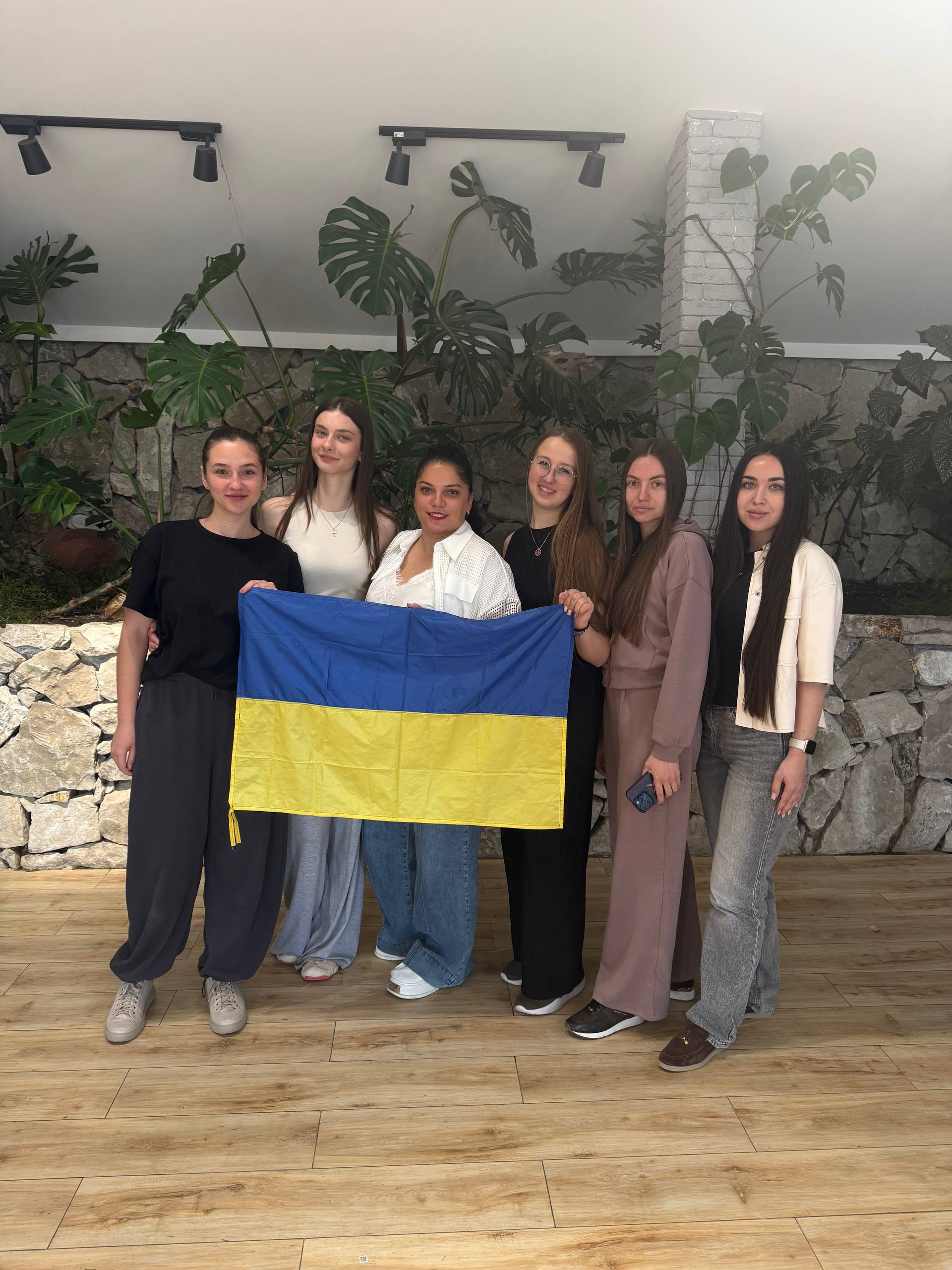
Viktoriia Boiko has been a participant in many youth exchanges and trainings under the Erasmus+ program, including PBA – Partnership Building Activity, “X-Change: Intersectionality in Action”, “(MIND)CRAFTING EMOTIONS”, “Hack Your Future”, “Unfolding Complexity. Foundations of Conflict Transformation”, “Interexchange Academy – A Co-Creative Academy of Peacebuilding, Societal Inclusion and Greener Future”, “Promoting peace awareness among youth”, “Cyber Heroes” and others.
As a reminder, faculty members of Poltava Polytechnic are eligible to participate in academic mobility and internship programs. Students can study abroad through Erasmus+ credit academic mobility grant programs for a semester or a full academic year at leading universities in Austria, Greenland, Denmark, Estonia, Finland, France, Germany, Greece, Ireland, Italy, Latvia, Lithuania, Luxembourg, the Netherlands, Norway, Poland, Portugal, Romania, Slovakia, Spain, Sweden, and the Czech Republic.
For more detailed information on current internship, teaching, and academic mobility programs abroad, please get in touch with the International Relations Office (office 213-C, interoffice@nupp.edu.ua).